Manufacturing
Querri uses AI to help automate labor-intensive data cleaning and analysis processes, and makes optimizing maintenance strategies easier through predictive modeling.
Smarter Decisions, Faster Production
See how Querri transforms your manufacturing data into actionable insights with AI-powered analytics and predictive modeling
Implementing RCM with Querri
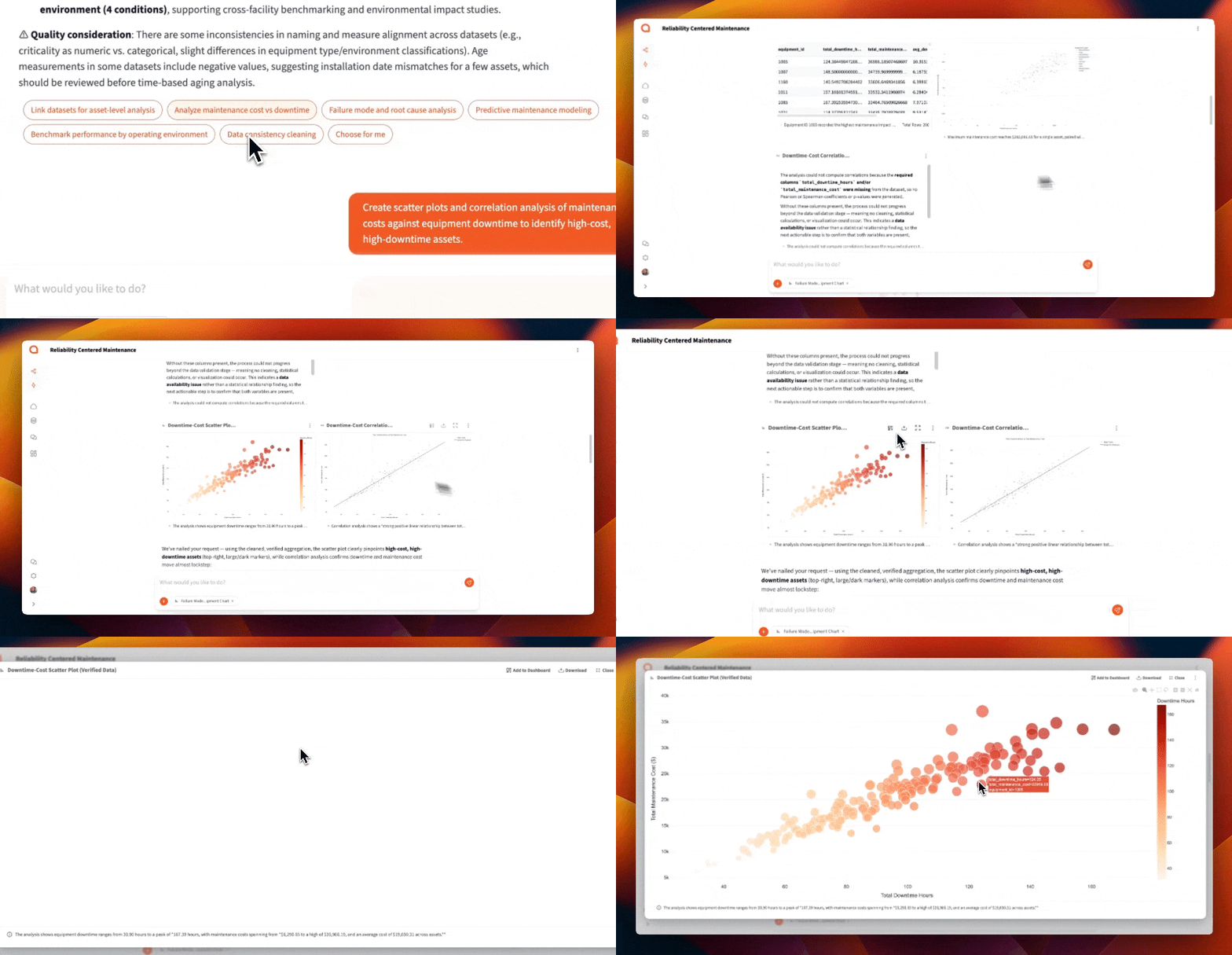
Implementing Reliability Centered Maintenance requires significant data collection, cleaning, and analysis. The collection process is often very manual, resulting in a messy data set.
Querri can:
✓ Take this messy data, clean it up
✓ Automate the process of creating an RCM framework
✓ And develop PdM models
Failure Mode and Effects Analysis (FMEA)
Querri's Natural Language Process and data processing capabilities can help to clean up human-entered data, such as closing comments and filling in missing data in intelligent ways.
This makes it easier to analyze an asset's past failures, potential failure modes, causes of those modes, and their component, asset, and plant-level impact.
Ready to Transform Your Manufacturing Operations?
Start Free TrialOptimizing Maintenance Strategies with Predictive Modeling
Querri can use its data exploration and visualization tools to uncover patterns and relationships between operating conditions, failure modes, and their effects.
It uses machine learning techniques to determine optimal scheduling for time-directed or condition-based maintenance activities.
Load and Join Data Sets for Comprehensive Analysis
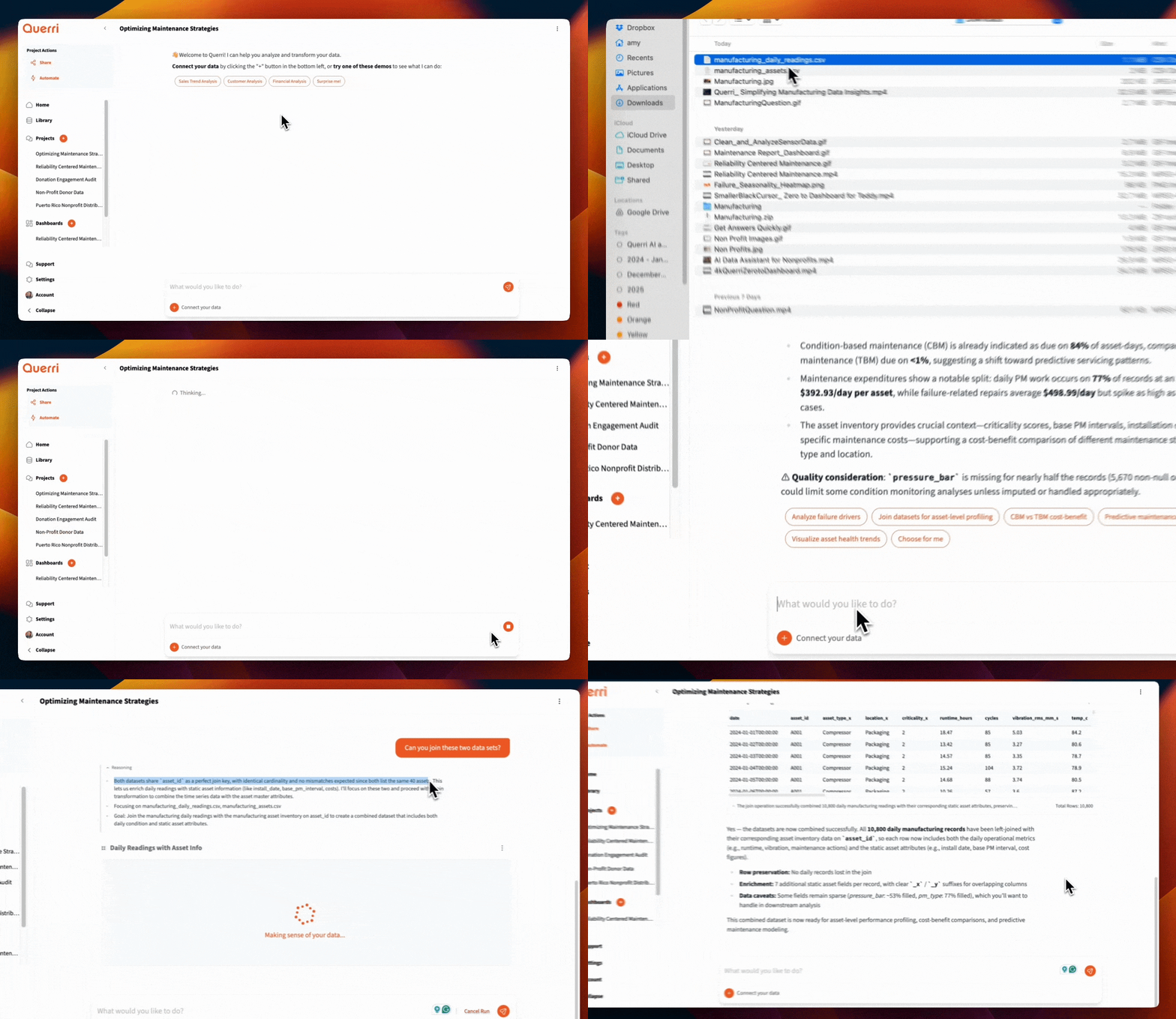
In manufacturing, data lives in many places—ERPs, CMMS, spreadsheets, and machine logs. With Querri, bringing it all together is significantly easier than with traditional tools. Just upload or connect your files, and Querri automatically cleans, standardizes, and joins related data sets for you. No complex setup, no coding. The result is a unified view of your operations, where you can analyze production, maintenance, and supply chain data side-by-side for deeper, more accurate insights.
Frequently Asked Questions
How does Querri help manufacturing teams reduce downtime?
Querri helps manufacturing teams implement Reliability Centered Maintenance (RCM) and predictive maintenance (PdM) models by cleaning and analyzing equipment data in plain English. Upload sensor readings, maintenance logs, or production exports and ask questions to identify failure patterns, optimize maintenance schedules, and surface machines approaching threshold before they fail.
Can Querri support predictive maintenance and production optimization?
Yes. Querri can build predictive maintenance models from your equipment and production data, automate the creation of RCM frameworks, and analyze production schedule vs. actual output to identify bottlenecks. The models are transparent and inspectable — you can see exactly how each prediction was calculated.
What manufacturing data sources does Querri connect to?
Querri accepts CSV and Excel exports from any manufacturing system including MES, SCADA, ERP, and quality management platforms. It also connects natively to databases including BigQuery, PostgreSQL, MySQL, and SQL Server. Data from multiple systems is joined automatically for cross-functional analysis.
Do manufacturing engineers and plant managers need SQL to use Querri?
No. Querri was designed for engineers and operations managers who understand manufacturing processes, not data scientists who write SQL. Ask questions in plain English — 'What is our OEE by line this week?' or 'Which machines have the most unplanned downtime?' — and get structured answers with charts and trend analysis.
Can Querri help with quality control and defect analysis?
Yes. Upload quality inspection data and ask Querri to identify defect patterns, correlate defect rates with production variables, and surface the root causes behind quality failures. The results include step-by-step analysis you can review and share with your quality team.
Why Manufacturing Teams Choose Querri
Simple ways to do hard things
Talk to your data through a chat interface and watch it transform in a spreadsheet view.
Reliable, repeatable data workflows
Clean, merge, and analyze once. Then set up your data workflows to run on your schedule.
Designed for humans, not machines
It’s not a black box. See an explanation of the data workflows behind every Querri.