The Rise of Toys: A Nostalgic Look at 1992–1995
Do you remember the feeling of circling your favorite toys in a holiday catalog? For many of us, the early 1990s were filled with these simple joys. As I started exploring the "Retail Sales: Hobby, Toy, and Game Stores" data from the U.S. Census Bureau via FRED®, covering 1992 all the way through September 2025, I felt that same excitement...and discovered a story hiding in the numbers.

The Rise of Toys: A Nostalgic Look at 1992–1995
Do you remember the feeling of circling your favorite toys in a holiday catalog? For many of us, the early 1990s were filled with these simple joys. As I started exploring the "Retail Sales: Hobby, Toy, and Game Stores" data from the U.S. Census Bureau via FRED®, covering 1992 all the way through September 2025, I felt that same excitement...and discovered a story hiding in the numbers.
🔍 Preview the dataset. | ⬇️ Download the CSV. | 🔍 View Querri Project
At first glance, big datasets might seem a little overwhelming. But this is where today's AI data analytics tools come to the rescue! Instead of getting lost in spreadsheets, I was able to use smart, intuitive technology to dig into the numbers, visualize the trends, and bring out the real story behind years of holiday shopping, surprise hits, and steady growth. With each click and dashboard, the story became clearer and easier to share.
Let's take a nostalgic journey back to this simpler time and explore the toys that captured our imaginations, the stable economic landscape that made it all possible, and see how easy-to-use data tools turn raw information into insights. We'll look at the data together to see how this consistent growth set the stage for something truly extraordinary.
A Time of Stability and Steady Growth
The years between 1992 and 1995 were characterized by a sense of calm and predictability in the toy market. Unlike the volatile sales spikes we see in later years, this period showed a reliable, upward trend. Families felt secure, the economy was stable, and consumer confidence was solid. This environment created the perfect conditions for consistent spending on discretionary items, especially toys.
Thanks to accessible analytics tools, I could see that parents weren't just buying for holidays or birthdays...there was a steady drumbeat of purchases throughout the year. The data from this time reflects that stability: no dramatic peaks or valleys, just a gentle, positive slope. This consistent demand allowed toy companies to thrive, refine their products, and build on their successes year after year. It was an era of building brand loyalty, one doll or action figure at a time, and seeing those patterns unfold visually made it all the more memorable.
The Reigning Toys of the Early '90s
What were we all begging our parents for during this time? The toy aisles were dominated by a few key players that have since become legendary. These weren't just flashes in the pan; they were cultural mainstays that defined a generation's playtime.
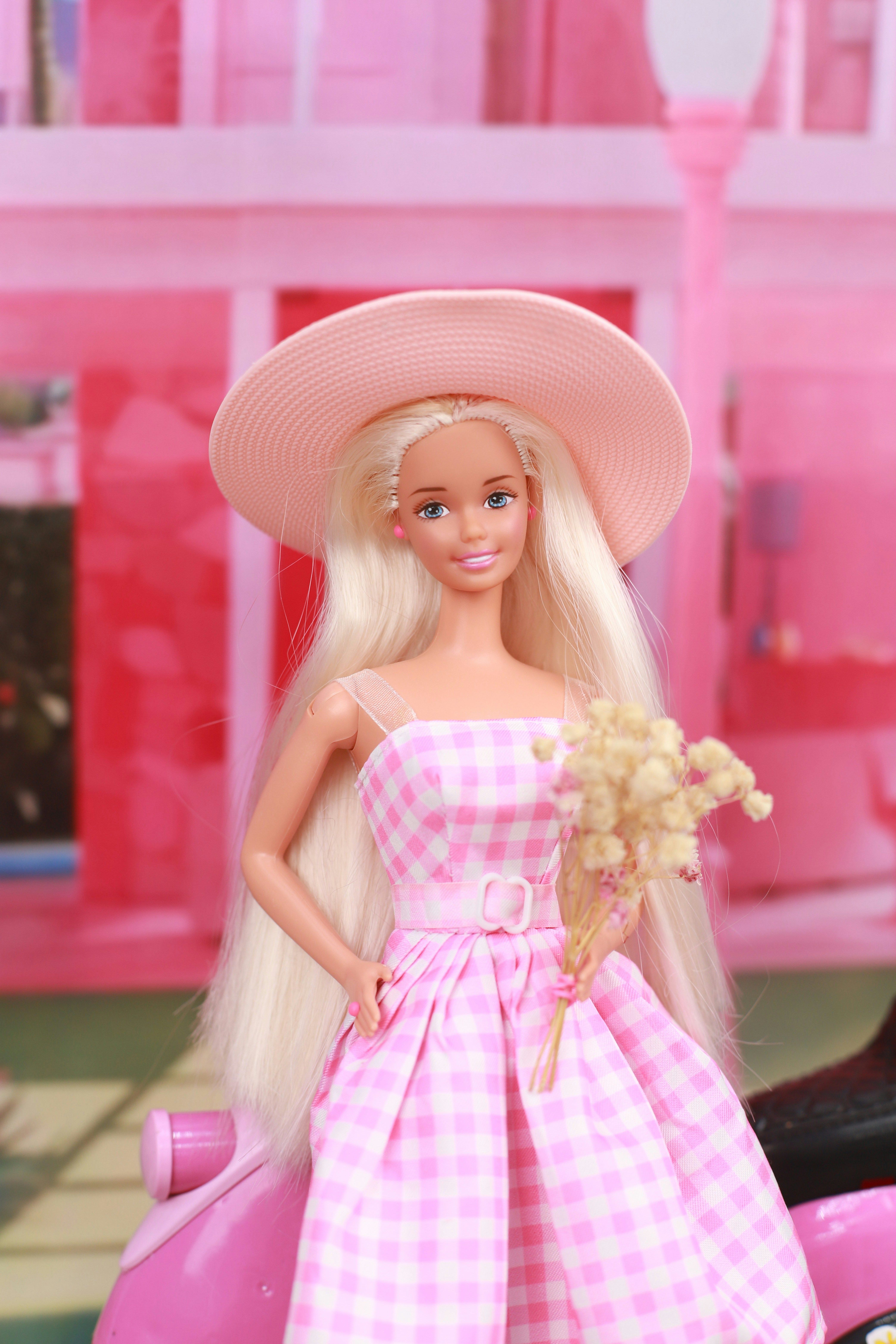
Barbie: More Than Just a Doll
In the early '90s, Barbie was at the peak of her powers. She was an astronaut, a doctor, a presidential candidate, and, of course, Totally Hair Barbie, the best-selling Barbie doll of all time. Mattel expertly marketed her as a symbol of empowerment and endless possibility. Barbie wasn't just a toy; she was a world. You had the DreamHouse, the Corvette, and an ever-expanding circle of friends and family. This ecosystem encouraged continuous purchases, helping to drive the steady sales growth of the era. Each new outfit or accessory was another reason to head to the toy store.
The Mighty Morphin Power Rangers Phenomenon
Go Go Power Rangers! When this live-action series hit the airwaves in 1993, it was an instant sensation. The show combined martial arts, giant robots (Zords), and a diverse team of teenage heroes. Naturally, the toy line was a massive success. Action figures of the Rangers and their villainous counterparts flew off the shelves. The appeal was simple: kids could re-enact their favorite scenes and create new adventures. The demand for Power Rangers toys demonstrated the power of a successful media tie-in, a strategy that would become even more important in the years to come.
Polly Pocket: A Tiny World of Wonder
Before the era of smartphones, Polly Pocket offered a portable world of fun that could fit right in your pocket. These tiny dolls lived in intricately designed compacts that opened to reveal miniature houses, castles, and playgrounds. The appeal was in the details and the portability. You could take your Polly Pocket collection anywhere, making it the perfect companion for car rides or quiet afternoons. The collectibility factor was huge; each new compact was a new world to explore, contributing to the consistent, year-over-year growth in toy sales.
Setting the Stage for an Explosion
The period from 1992 to 1995 was the calm before the storm. Using AI-powered exploration to analyze the U.S. Census Bureau data, it became clear just how stable and positive these years were...no guesswork, no Excel gymnastics, just clear graphs and actionable insights. The enduring popularity of powerhouse brands like Barbie, Power Rangers, and Polly Pocket paired perfectly with a strong economy, creating a stable and profitable market. Consumers were happy, toy companies were innovating, and the stage was perfectly set.
But something was bubbling just beneath the surface. This era of predictable growth was about to come to a dramatic end. All the pieces were in place for an industry-shaking explosion that would redefine what a "hit toy" could be. The toy world was on the brink of a revolution, and it was all going to kick off in one unforgettable year.
What happened in 1996 to cause such a massive surge in toy sales? Stay tuned for the next post in our series, where we'll dive into the year of the "Tickle Me Elmo" craze, the rise of video games, and the pop culture events that created the biggest toy boom of the decade...all discovered thanks to the stories within the data!